- 23 May 2026
- General guides and tips
First Time in Ibiza: Common Mistakes and Practical Tips

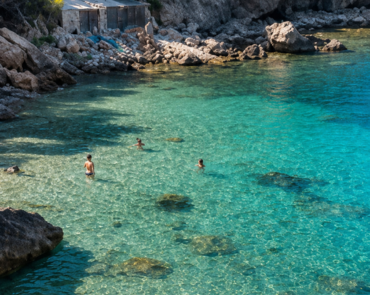
Practical tips for discovering Ibiza for the first time without wasting time or improvising too much
Travelling to Ibiza for the first time often brings a very special mix of excitement and questions. The island may look small on the map, but when you start planning your trip, many questions come up: how many days to stay, where to stay, whether it is worth renting a car, which beaches to choose, how to include Formentera or what is best to book before arriving.
This guide is designed to help you plan your first time in Ibiza with clarity, avoiding the most common mistakes and making the most of each day. If you are still deciding what to see, which areas to prioritise and how to organise your trip, you can also complete your planning with our complete guide to what to do in Ibiza, where we bring together plans, routes and experiences for different travel styles.
The key is not to see everything. The key is to choose well. Ibiza is much more enjoyable when you combine beaches, villages, sunsets, a route or two, good food, nightlife if you feel like it and unhurried moments. And if you are looking for a comfortable base to move around the island without changing accommodation every night, Hostal Rosell Boutique can be a very practical option for discovering Ibiza from a central, convenient and well-connected location.
WHAT YOU SHOULD KNOW BEFORE TRAVELLING TO IBIZA FOR THE FIRST TIME

Before you start booking, it is worth keeping one idea clear: Ibiza is not just about parties, beaches or hidden coves. It is a very complete island, but also an island where planning can make a big difference to your experience.
On a first visit, the best approach is not to plan the trip as an endless list of places. It is better to group your days by area, leave enough time for getting around and book in advance anything that could really affect your trip: accommodation, a car if you need one, special restaurants, boat trips, Formentera, tickets or beach clubs in high season.
Seasons in Ibiza: high, mid and low season
The best time to travel to Ibiza depends a lot on the type of trip you want to take. Coming for beaches, sunsets and atmosphere is not the same as looking for routes, villages, gastronomy and a quieter side of the island. That is why it is worth understanding the differences between high season, mid season and low season before confirming your dates.
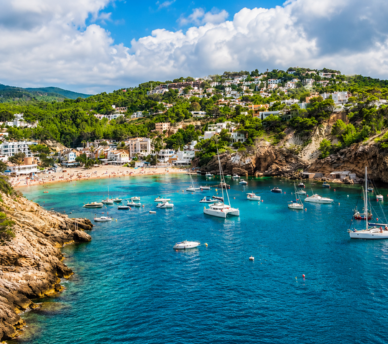
June, July, August and September: high season
These are the months with the most atmosphere, the most life on the island and the highest number of services open. It is a good choice if you want to combine beaches, sunsets, restaurants, beach clubs, nightlife and high-energy plans. The strong point is that the island is in full swing; the downside is that there is also more demand, higher prices, a greater need to book in advance and more pressure on roads, parking areas and restaurants.
During this period, July and August are usually the most intense months. June and September can work very well if you are looking for a summer atmosphere, but with a slightly more balanced feeling depending on the dates and area. If you are travelling during these months and want to manage your budget better, our guide to Ibiza in summer on a budget can help, with tips to save money without giving up enjoying the island.

April, May and October: mid season
Mid season can be very interesting if you travel with a more relaxed approach: routes, villages, gastronomy, walks, landscapes, coves without so much pressure and a calmer Ibiza. Its main advantages usually lie in the pace, the ease of getting around and the reduced need to book every plan so far in advance.
On the other hand, there may be less nightlife, some services may vary depending on the exact time of the month and you will not always find the same full-summer energy. It is an especially recommended option if your priority is to discover the island calmly, follow routes around Ibiza or visit some of the most beautiful villages in Ibiza without so much pressure on your schedule.

November, December, January, February and March: low season
Low season reveals a much more local, quiet and slow-paced side of Ibiza. It can be a good option if your idea is to disconnect, walk, discover villages, enjoy landscapes without rushing and experience a less touristy version of the island.
The main advantage is the tranquillity: there is less traffic, less pressure to find parking and a more authentic feeling in many corners of the island. The downside is that it is not the best time if you are looking for a classic beach holiday, nightlife, beach clubs or a wide range of tourist services. Some restaurants, accommodation and activities may be closed or operate with more limited hours, so it is worth planning more before coming. To better organise meals out of season, you can also check our guide to where to eat in Ibiza in winter.
How many days you need depending on your type of trip
The number of days does not depend only on the calendar, but on the type of Ibiza you want to experience. A first visit focused on routes, beaches and experiences needs a different pace from a party getaway, and it is not advisable to plan both trips with the same logic.
It is also important to think about your budget from the beginning. A short getaway focused on going out at night does not cost the same as a week combining car rental, restaurants, coves, Formentera and experiences. To calculate it better according to days, accommodation, food, transport and plans, you can check our guide to how much it costs to travel to Ibiza.

Relaxation, routes and experiences trip: around 5 days
If you want to discover villages, visit several coves, include Dalt Vila, enjoy a special sunset and leave room for gastronomic experiences or a possible trip to Formentera, plan around five days as a reference. It does not mean you cannot do it in less time, but with that margin the trip feels more relaxed and you avoid turning each day into a race.
This type of trip works very well if you want a more complete Ibiza experience: beach in the morning, a relaxed lunch, a route by car in the afternoon and a special plan at the end of the day. To organise it better, you can use our guide to routes by car around Ibiza, discover some of the beautiful villages of Ibiza or set aside a day for Formentera in one day if you have enough time.

Party trip: 2 or 3 days
If your main priority is nightlife, a two- or three-day getaway can work very well. In that case, the important thing is to choose the right nights, book in advance when necessary and avoid filling your days too much with distant plans or long routes.
For this type of trip, it is important to be realistic about the pace: Ibiza can be intense if you combine beaches, dinners, clubs and little rest. Ideally, you should stay in a practical area, organise transfers well and keep daytime plans simpler. You can complete your planning with our guide to the best clubs in Ibiza or, if you are staying in the area, with the guide to what to do in San Antonio.

Combined trip: 6 or 7 days
If you want a real combination of both worlds —beaches, routes, sunsets, restaurants and also nightlife—, the most balanced option is usually to plan six or seven days. This way, you can alternate intense days with more relaxed ones and experience a more complete Ibiza without feeling like you are always in a rush.
This format is probably the most recommended for a first visit if you really want to understand the island. You can dedicate a few days to beaches and coves, another to Dalt Vila and Ibiza Town, another to villages or inland routes, one day to Formentera and one or two nights to going out. To organise it better, you can check our guide to Ibiza in 7 days, our selection of the best beaches and coves in Ibiza and our guide to the best sunsets in Ibiza.
If you still do not know how to organise your trip, you can use guides based on trip duration. For a short getaway, our guide to Ibiza in 2 days can help you prioritise without wasting time. If you have a little more flexibility, you can also check the 3-day Ibiza itinerary or the Ibiza in 4 days route.
Budget: do not think only about the flight and hotel
Before continuing to organise your trip, there are two points that are worth being clear about from the beginning: the real budget and the reservations you should make in advance.
In Ibiza, many expenses appear after you have already booked your flight and accommodation. In addition, some plans can become complicated if left until the last minute, especially in high season.

Budget and advance bookings: what to calculate before travelling
One of the most common mistakes when planning a first trip to Ibiza is calculating the budget only based on flights and accommodation. Then come extras such as car rental, parking, taxis, restaurants, tickets, boat trips, sunbeds, fuel, ferries or special reservations. To get a more realistic overview depending on the number of days, type of trip and how you plan to move around the island, our guide to how much it costs to travel to Ibiza can help.
You do not need to plan a very expensive trip to enjoy Ibiza, but it is worth deciding from the beginning what type of experience you want. You can combine simple restaurants with the occasional treat, free beaches with a more special day and routes by area to save on unnecessary journeys. If you want to control your spending better in high season, it may also be useful to check our guide to Ibiza in summer on a budget.
As for advance bookings, it is worth securing the important things ahead of time: accommodation, car rental, some restaurants, ferries, tickets or plans with limited availability. The idea is not to plan the whole trip in detail, but to avoid unexpected problems and leave room to enjoy everything more calmly.
WHERE TO STAY IN IBIZA IF IT IS YOUR FIRST TIME
Choosing the right area to stay is one of the most important decisions of the trip. Ibiza does not feel the same if you stay in an area mainly focused on nightlife, in a town with more urban life, in a quiet setting or in a convenient location for getting around by road.
If you are still comparing areas, we recommend reading our guide to where to stay in Ibiza depending on your type of trip, as it will help you better understand which part of the island fits your plans.
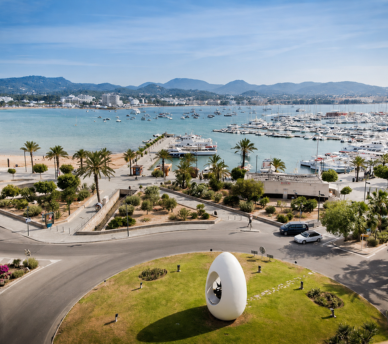
San Antonio as a practical base for a first visit
Sant Antoni can work very well for first-time visitors who want to combine beaches, sunsets, restaurants, excursions and easy movement around the island. It has a port, connections to different plans and a wide range of options for different budgets.
At Hostal Rosell Boutique, that is precisely the idea: staying in a practical area, with a friendly, personal touch and a convenient location for heading out to discover the island during the day and then returning to a peaceful accommodation. Also, if you want to get to know the area better before deciding, you can check our guide to what to do in San Antonio, Ibiza.

Ibiza Town if you are looking for an urban atmosphere and Dalt Vila
Ibiza Town can be a good choice if you want to have the historic centre, the port, shops, restaurants and a more urban atmosphere nearby. It is an interesting area for those who want to walk around, go out for dinner and visit Dalt Vila without depending so much on the car for that specific plan.
That said, if your idea is to visit many coves or move around different areas each day, it is worth carefully considering parking, access and travel times. To prepare for that visit, you can find more information in our guide to Dalt Vila: what to see, history and walking route.

Santa Eulalia if you are looking for a more relaxed atmosphere
Santa Eulalia can be a good fit if you are looking for a quieter area, with a promenade, restaurants and an atmosphere less focused on nightlife. It is a pleasant option for those who want a calmer stay and do not need to be close to the busiest areas every night. If this type of plan interests you, you can also find inspiration in our guide to beautiful villages in Ibiza, where you will find ideas for discovering a slower-paced side of Ibiza.
Santa Eulalia can also be a good base if you are looking for relaxed dinners or gastronomic plans without so much nightlife intensity. To better organise meals and dinners in the area, you can check our guide to affordable restaurants in Santa Eulalia del Río.

Villages and more remote areas: charm, but less connection
Staying in villages or more remote areas can be a great decision if you are looking for calm, scenery and a slower-paced Ibiza. The important point is to understand that this charm usually comes with fewer direct connections, less frequent transport and greater dependence on a car. If this type of trip appeals to you, you can find inspiration in our guide to beautiful villages in Ibiza, where we bring together ideal places for discovering a quieter side of Ibiza.
On a first trip to Ibiza, it can be a good idea to find a balance: stay in a comfortable base and spend a few days discovering villages, inland routes and quiet corners, without being too isolated if you also want to go out for dinner, take excursions, enjoy the atmosphere or move around with flexibility. To organise those days better, you can also check our guide to routes by car around Ibiza or our selection of quiet Ibiza plans.
HOW TO GET AROUND IBIZA ON A FIRST VISIT
The way you get around Ibiza has a big impact on your trip. There is no single right answer: it depends on the number of days, your budget, whether you want to visit many coves, the area where you are staying and how much freedom you need.

Rental car: freedom, but not always essential
Renting a car can be very useful if you want to explore beaches, villages, viewpoints and less connected areas. It gives you freedom and allows you to organise routes by area, especially if your idea is to discover the island beyond the main spots.
The mistake is renting one without thinking about where you are going to park, or not renting one when your plan clearly depends on moving around many different areas. If you are going to drive a lot, our guide to routes by car around Ibiza can also help, with ideas to organise your journeys better.
Parking: a small detail that can change your day
To plan this point better, we have prepared a specific guide to where to park in Ibiza, with tips by area to save time and avoid starting each visit with stress.

Private transfer: the most comfortable and predictable option
For a first visit, a private transfer is often the most practical option if you want to avoid waiting, uncertainty and last-minute price changes. It allows you to have the journey arranged in advance, arrive directly and start your trip with more peace of mind, especially if you are travelling with luggage, arriving at busy times or prefer not to depend on finding transport on the spot.
It is also a very convenient alternative if you want to organise specific transfers during your stay, not only your arrival from the airport. Hostal Rosell Boutique offers a private transfer service for guests, designed for those who prefer to move around in a simple, direct way, with the journey arranged before setting off.
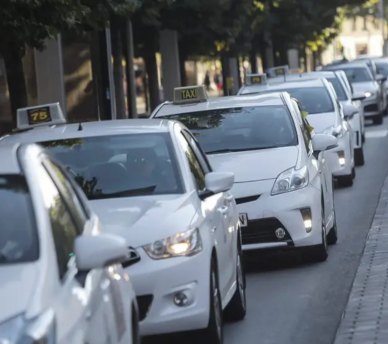
Taxi and bus: useful options, but with limitations
Taxis and buses can help with some journeys, but it is not advisable to depend on them for the whole trip if you want to move around freely. The bus works best between main towns, but it requires you to adapt to specific timetables, can suffer delays and does not provide practical access to all coves, villages or more remote areas of the island.
A taxi can solve specific journeys, but in high season it can be expensive and less predictable. Fares can increase depending on the distance, demand, traffic jams and the area of the island you are leaving from or want to reach. That is why, if you have plans with a fixed time —such as a reservation, a ferry, a night out or the airport—, it is better not to leave the journey entirely to improvisation.
COMMON MISTAKES ON A FIRST TRIP TO IBIZA
Most mistakes in Ibiza do not come from choosing the wrong place, but from trying to travel without understanding how the island works. This is where good planning makes all the difference.

Mistake 1: wanting to see everything
Ibiza invites you to make endless lists: coves, beach clubs, villages, restaurants, clubs, markets, sunsets and Formentera. But on a first visit, wanting to see everything usually ends in tiredness and constant travelling around.
It is better to choose one area per day and combine nearby plans. For example: beach in the morning, a relaxed lunch, a walk through a village or viewpoint and sunset. To organise these types of days better, you can use our guide to the best beaches and coves in Ibiza or our selection of beautiful villages in Ibiza.

Mistake 2: improvising too much in high season
Improvising has its charm, but in Ibiza it can be expensive if you travel during periods of high demand. You may not find a table where you wanted, a plan may be fully booked or you may waste too much time looking for alternatives.
Book the important things, but leave some free time. That mix of structure and flexibility is what works best on a first visit. If you want to reduce unexpected issues when getting around, it can also help to check our guide to where to park in Ibiza in advance.

Mistake 3: not booking the essentials
Accommodation, car rental, very specific restaurants, boat trips, Formentera, tickets or certain special plans are worth looking at in advance. You do not need to book every meal, but you should secure anything that could affect your trip.
If you are interested in gastronomy, a good way to organise yourself is to check a guide by area in advance, such as our local guide to restaurants in Ibiza, so you have clear options depending on where you are each day. And if you are planning to include Formentera, it is worth preparing the excursion with our guide to Formentera in one day.
Mistake 4: choosing the wrong base area
Poorly chosen accommodation can make you waste too much time getting around or always depend on a car. On a first visit, it is worth looking for a base that fits your travel style, not just the price.
That is why Hostal Rosell Boutique is especially well suited to travellers who want a comfortable base, a friendly atmosphere and a good location for combining beaches, sunsets, restaurants, routes around the island and the occasional special night out if the trip also includes some nightlife. If you are still comparing areas, you can find more information in our guide to where to stay in Ibiza.
ESSENTIAL PLANS FOR A FIRST TRIP TO IBIZA
Plan | What It Offers | Local Tip |
|---|---|---|
Beaches and coves | Mediterranean Ibiza | Choose a few and group them by area. |
Sunsets | One of the Highlights of the Trip | Arrive with plenty of time and check access or parking. |
Dalt vila | History, Culture and Views | Set aside several hours and explore it on foot. |
Villages | Local Pace and Inland Ibiza | Combine them with routes or gastronomy. |
Party and nightlife | Part of Contemporary Ibiza | One or two nights may be enough for a balanced trip. |
Formentera | Full-Day Excursion | Include it only if your stay allows enough time. |
Beaches and coves
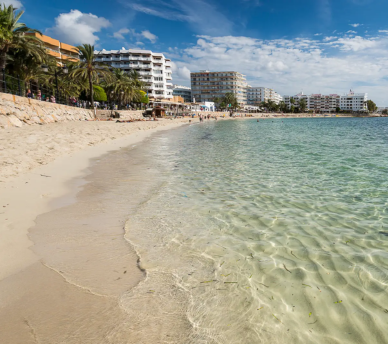
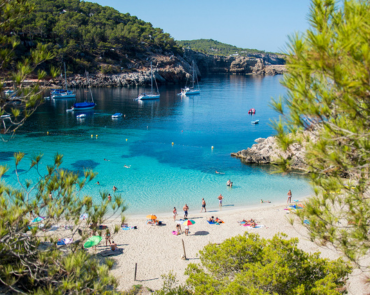
Beaches and coves are an essential part of any first trip to Ibiza. The important thing is not only to choose the most famous ones, but to find those that match the type of day you want: relaxation, atmosphere, snorkelling, scenery or a quieter escape.

Sunsets
Watching a beautiful sunset is one of those plans you should experience at least once in Ibiza. Ideally, you should arrive with enough time, choose the right place and not leave it as a last-minute improvised plan.

Party and nightlife
Nightlife is part of Ibiza’s image, but it does not have to dominate the whole trip. If it is your first time, it usually works better to choose one or two specific nights out and organise the rest of the trip with balance.
Dalt vila
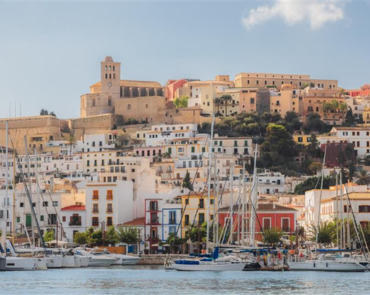
Dalt Vila brings the historical, cultural and most monumental side of the island. It is a perfect plan for changing the pace, walking without rushing, enjoying the views and discovering a different Ibiza beyond beaches and nightlife.
Villages
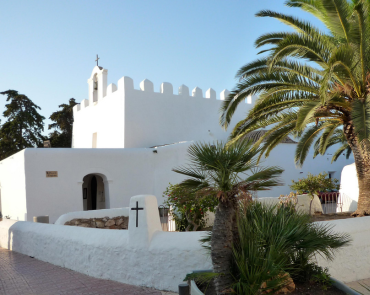
The villages of Ibiza help you discover a slower-paced, inland and more authentic side of the island. They are ideal to combine with car routes, relaxed meals or stops between beaches.
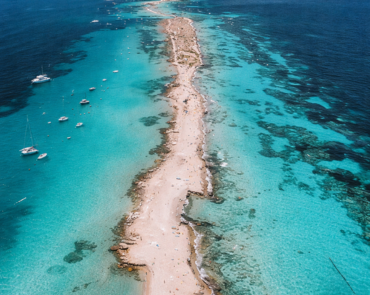
Formentera
Formentera can be one of the best excursions if you have enough time. It is worth planning it as a full-day trip, with the ferry arranged in advance and a simple route so you can enjoy it without rushing.
FINAL TIPS FOR YOUR FIRST TIME IN IBIZA
The best advice for a first trip to Ibiza is not to try to copy someone else’s trip. The island can be party-focused, peaceful, romantic, gastronomic, natural or adventurous. The important thing is to choose the Ibiza you want to experience.
Book in advance what really matters, group your days by area, leave time to rest and do not measure the trip only by the number of places visited. Sometimes, the best memory of Ibiza is not a long list of plans, but a well-chosen afternoon, an unhurried cove, a pleasant dinner, a well-organised night out or a sunset that arrives exactly when it was meant to.
If you are looking for a comfortable base to organise your first visit, Hostal Rosell Boutique can help you experience the island in a simple, friendly and practical way: with a convenient location, personalised service and local recommendations to make the most of each day. From here, you can combine beaches, routes, restaurants, sunsets, nightlife and excursions without feeling that you need to change accommodation to discover Ibiza.
FAQs
How Many Days Do You Need for a First Trip to Ibiza?
It depends on the type of trip. Two or three days can work for a very focused getaway; around five days allow you to combine coves, Dalt Vila and routes at a more relaxed pace; six or seven days give you enough time to add villages, gastronomy, nightlife and a possible day trip to Formentera.
Is It Worth Renting a Car in Ibiza?
Yes, especially if you want to explore coves, villages, viewpoints and less well-connected areas. You do not necessarily need one for your entire stay: renting a car only for specific days of your trip can be a more efficient option.
What Is the Most Common Mistake When Visiting Ibiza for the First Time?
Trying to see everything. Organising each day by area and leaving some flexibility between plans usually works better than crossing the island several times just to complete a list of places.
What Should You Book Before Travelling to Ibiza?
Accommodation, a car when your itinerary depends on it, ferries, some special dinners, tickets and activities with limited availability. There is no need to book every meal or plan the entire itinerary in advance.
Where Is the Best Place to Stay on Your First Trip to Ibiza?
It depends on the type of trip. Sant Antoni is practical for the west coast, sunsets and excursions; Ibiza Town works well if you prioritise Dalt Vila and an urban atmosphere; Santa Eulalia may be a better choice for a more relaxed stay.


